
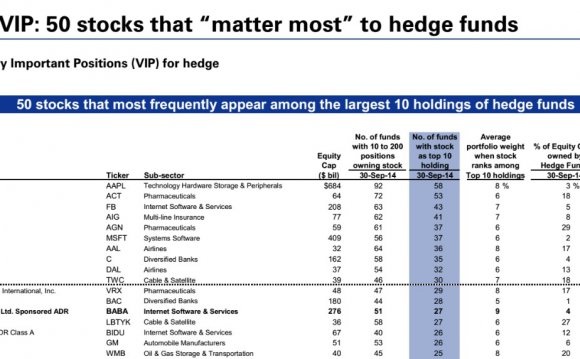
 Source: Taconic Capital Advisors
Taconic Capital Advisors home page
Kenneth Brody, the co-founder of $8.2 billion hedge fund firm Taconic Capital Advisors, intends to retire in January after nearly 15 years in the firm, relating to a letter sent to people Tuesday.
Brody, 70, will stay a principal and consultant to the multi-strategy and event-driven company beginning January 1. He will also remain a "significant" trader, in accordance with the note.
Co-founder Frank Brosens will operate the newest York-based store with primary investment officer Chris Delong. A spokeswoman for Taconic declined to comment.
(Read more:
Brody said a few factors caused him to retire, including pleasure in creating a considerable and enduring business; his age and 40 many years of involved in finance; additionally the aspire to do more charity work.
Brody and Brosens founded Taconic in 1999 off Goldman Sachs. Brody had spent twenty years at lender in which he co‐headed the Goldman's long-lasting major investing company and ended up being an over-all partner and person in the administration committee, relating to a Taconic biography.
Brosens, today 56, additionally spent 15 years at Goldman Sachs before developing the hedge fund firm.
(find out more:Carlyle tends to make hedge fund push)
The leading Taconic Opportunity Fund is up around 13 per cent 12 months to date through October, in accordance with you acquainted the situation.
Brody's pension does not trigger any so-called key man clause, which may allow people to redeem their funds early because a critical team user departed.
"Frank and I have in the offing with this transition over a considerable time frame, keepin constantly your interests paramount in the process. We have been confident that the present strength regarding the Taconic company makes this a perfect time for you to begin this transition, " Brody published. "Taconic is well-positioned with respect to both our financial investment group and our company purpose. Our present performance outcomes have now been strong therefore we tend to be confident in regards to the investment possibility set available to us into the years into the future."
YOU MIGHT ALSO LIKE


Share this Post
latest post
-
 Laurion Capital Management hedge fund March 27, 2016
 -
 Global hedge funds July 11, 2016
 -
 Hedge fund interview August 20, 2016
 -
 Charlotte hedge funds September 1, 2018
 -
 Hedge fund 13F Filings May 8, 2018
 -
 Top hedge funds by AUM February 13, 2017
 -
 Winton hedge fund June 29, 2017
 -
 New York hedge funds list February 27, 2016
 -
 Biggest hedge funds 2014 September 1, 2017